The role of lighting in successful store concepts
A store is not just a showroom for your brand – it is also a customer experience. A well-designed store interior with good lighting gives customers a strong first impression and an experience that ultimately enhances the store’s sales potential.
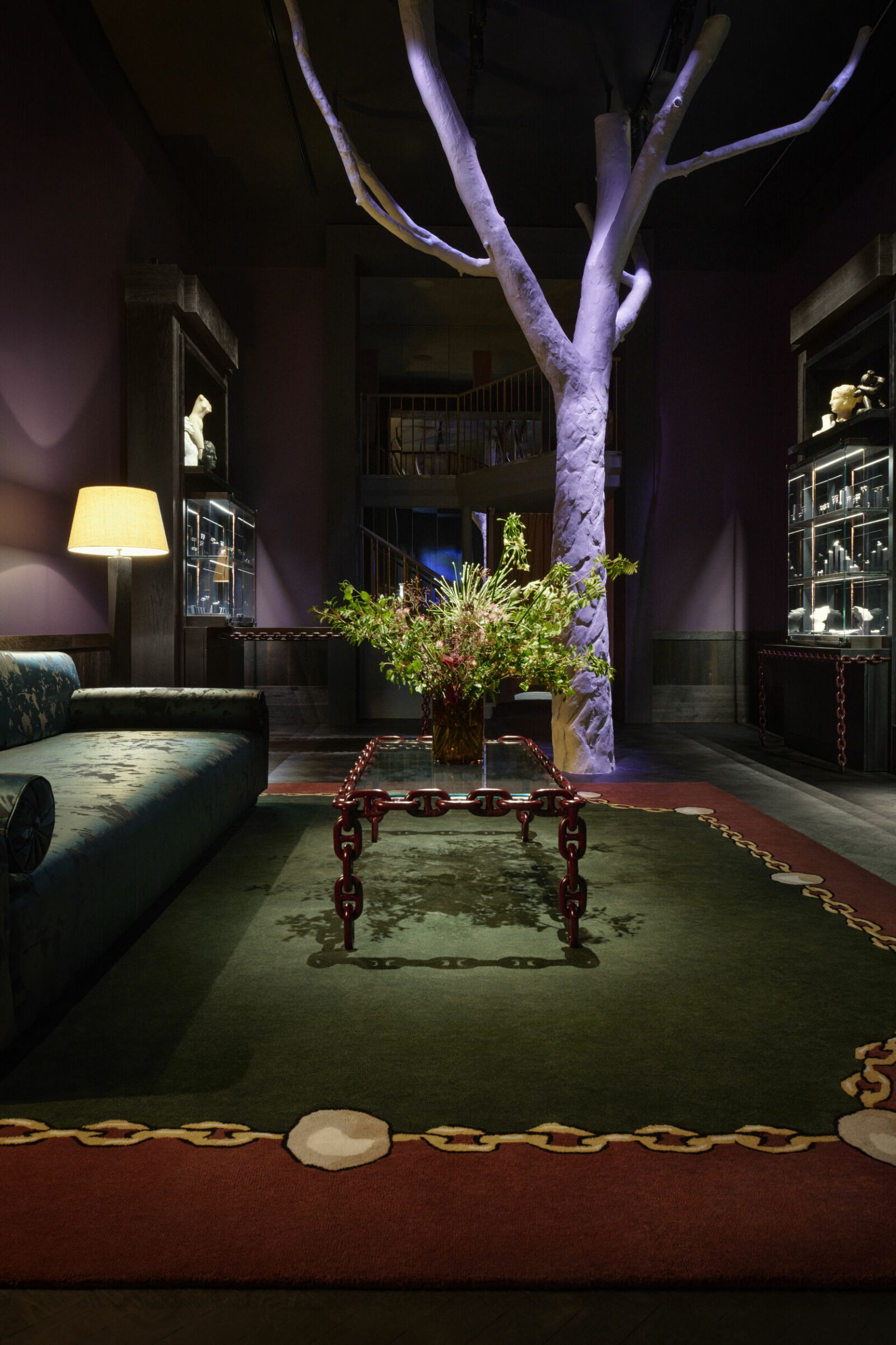
Have you ever thought about how lighting can actually affect your experience in a store? How a cool, slightly bluish light can make you associate the space with something modern and trendy, while a warm yellow light can create a sense of comfort and luxury? The choice of color temperature – in other words, cool or warm light – is closely linked to how your brand is perceived. The right lighting in your store interior can highlight your brand image and create sales opportunities.
Good balance, great atmosphere
When it comes to store lighting, we usually talk about general lighting and accent lighting. The overall lighting in your store interior – such as ceiling fixtures or fluorescent lights – is the general lighting. Its purpose is to provide even illumination so customers and staff can see clearly and move around safely. Accent lighting, on the other hand, adds excitement and mood. It can include spotlights directed at a specific product or area, creating contrasts and shadows. To achieve the right atmosphere in your store, a good balance between general and accent lighting is essential. You also need to know which areas to highlight. Where do you want the customer to go, and where do you want them to stop?
5 tips for lighting your store to boost sales:
1. Focus on the entrance – first impressions matter
Warm and welcoming light at the store entrance creates a positive first impression and draws customers further inside. Consider lighting both indoors and outdoors – accent lighting can make the façade more visually appealing.
2. Highlight products or areas
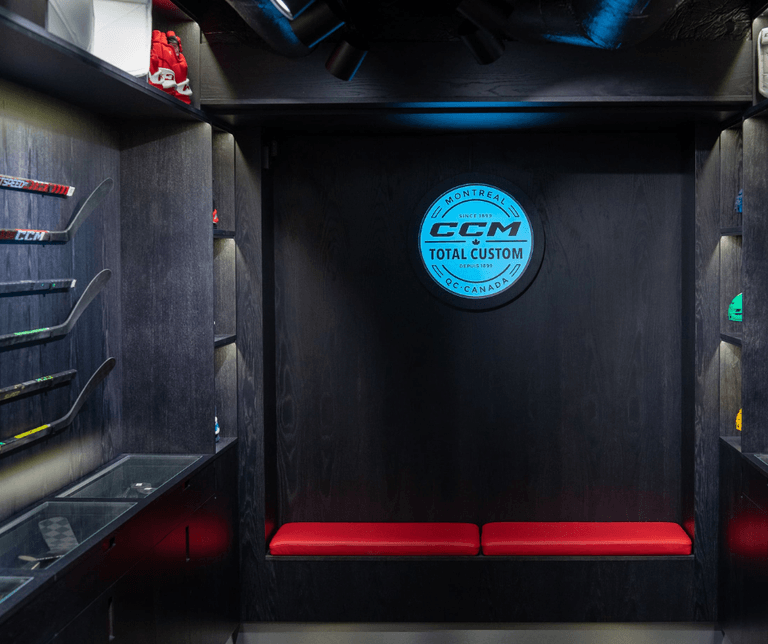
Use lighting to emphasize specific products or areas. Examples of accent lighting include spotlights, light strips, or LED lighting directed at products to make them more eye-catching and attractive to customers.
3. Create exciting zones
Use different lighting for different areas of your store interior. Create zones that add variation and excitement. For example, use warm light in a seating area and cooler light in product display areas.
4. Choose lighting based on the product
To showcase products in your store concept in the best possible way, consider both the right light intensity and color temperature. Tech products and makeup are often better displayed in cooler light, while bread and baked goods are best highlighted in warmer light.
5. Take control – dare to experiment
Invest in a lighting control system. With a control system, you can adjust brightness and color temperature depending on the time of day or season. You can also increase or decrease lighting in specific areas, making your lighting more flexible. This allows you to experiment and optimize your setup.
Lighting planning with CRI
If your store sells products defined by color, such as clothing or cosmetics, it is especially important that colors are rendered accurately. You don’t want a customer to come home thinking they bought a light blue sweater that turns out to be gray because of bluish lighting in the store. To ensure good color rendering, you should use light sources with a high Color Rendering Index (CRI). CRI measures how accurately colors are rendered compared to daylight and is rated on a scale from 0 to 100, where 100 represents natural daylight. The higher the CRI value, the closer the light source is to natural daylight. CRI is an important factor to consider when selecting lighting for your store interior. By including CRI in your lighting plan, you ensure that your products are presented in the best possible way.
Guide customers with light in your store
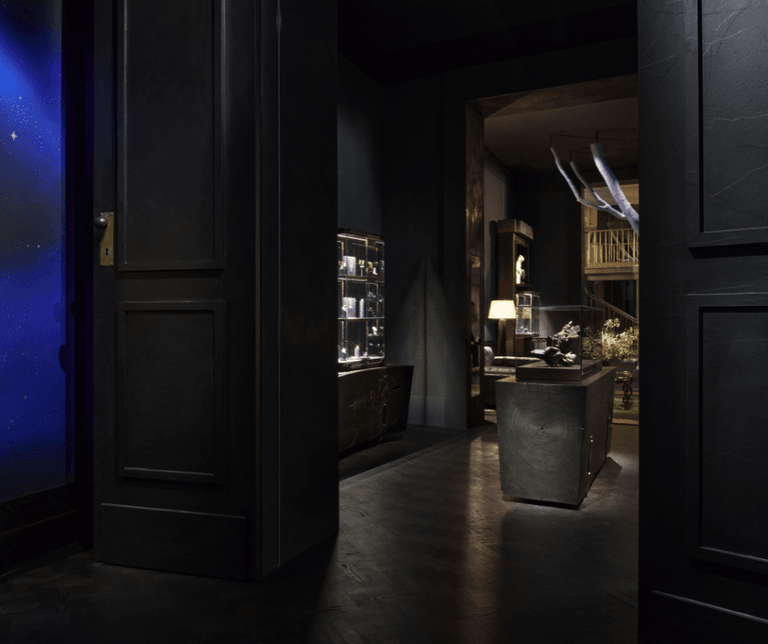
As you’ve probably realized by now, lighting is a key element in store design. Not only does it create atmosphere and highlight your brand, but it can also guide customers through the store. Accent lighting can emphasize specific products, but you can also use floor lighting to create “light paths” with integrated lighting. Shelves can be illuminated with slim LED strips, and entire walls can be enhanced with light boxes. If you want customers to pause and focus on specific products, highlight key display points such as seasonal tables or promotional areas. Think about the customer’s path through the store and adjust your lighting accordingly.
Reduce energy costs
Modern and energy-efficient lighting can lower your costs, improve the customer experience, and increase sales. Consider lighting an investment in your store interior rather than just an expense. Outdated lighting installations with inefficient bulbs can result in high energy costs. Today’s LED systems are energy-efficient and can significantly reduce consumption. At the same time, you reduce your company’s environmental impact by choosing energy-efficient solutions.
Summary
In summary, effective lighting combines general lighting and accent lighting. By using cool or warm light, you can reinforce your brand image. It is essential to present products in the best possible way and to understand which type of light best enhances them. For clothing and other color-sensitive products, consider using a high CRI to ensure accurate color rendering. And view lighting as an investment – modern and energy-efficient systems can reduce costs, enhance the customer experience, and increase sales.
Norco Interior can help you develop your new store concept from the ground up while bringing your store design ideas to life. For inspiration, take a look at Maria Nilsdotter Flagship Store and Gant NK Woman, where we placed extra emphasis on lighting design.
With in-house design and concept development, project management, and our own factories, we have endless possibilities to create a store concept that perfectly matches your brand.
Read more about how we at Norco Interior can help you create your dream store here.