The impact of store interior design on customer purchasing behavior
Store interior design involves so much more than just shelves and checkout counters. Let’s take a look at some key elements and the connection between store design and customer purchasing behavior.
Layout and Flow
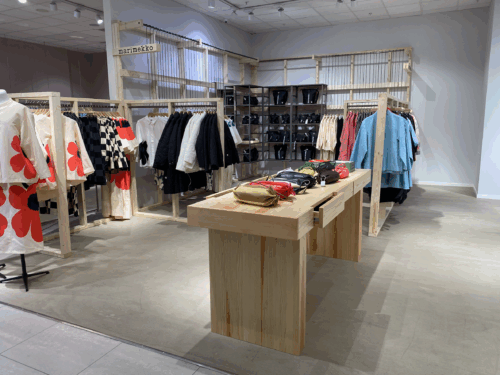
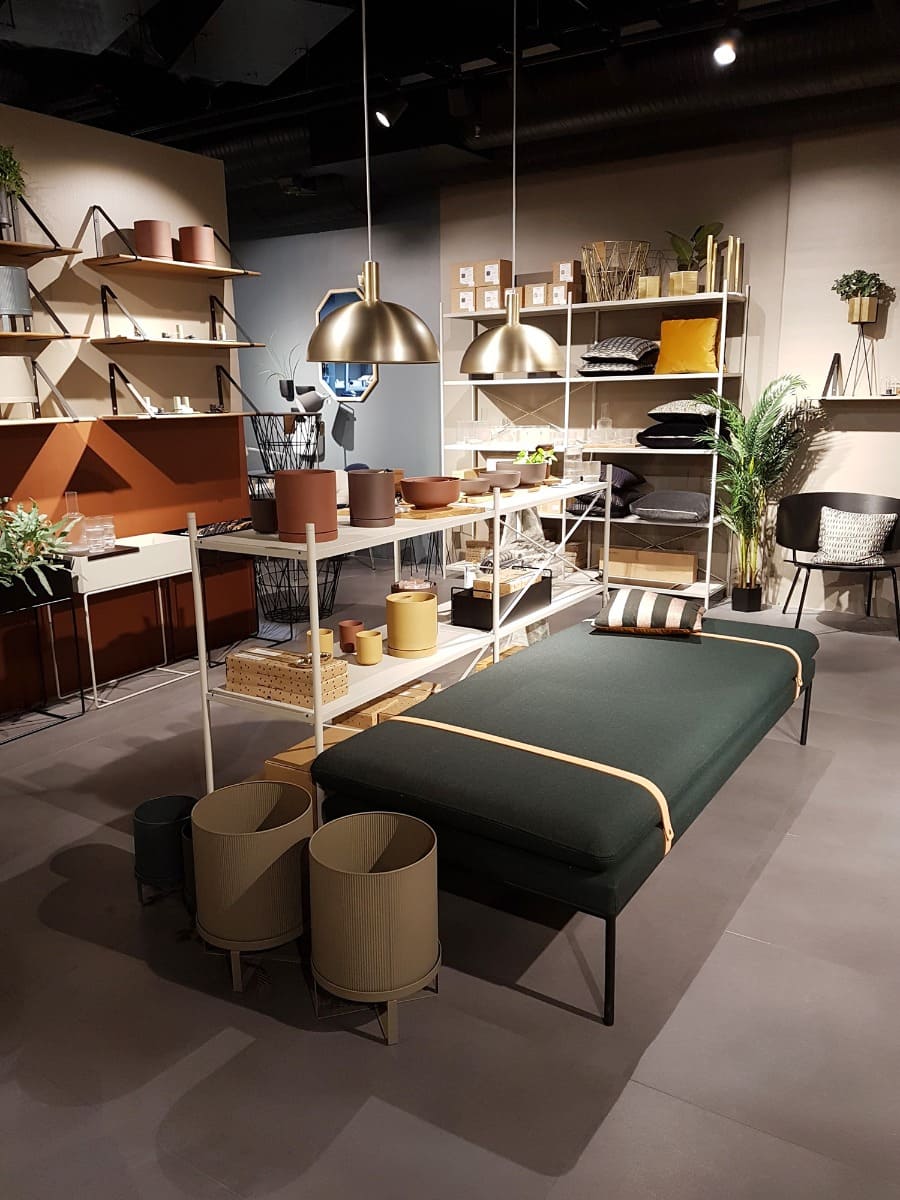
A well-thought-out layout can effectively guide customers through the entire store, increasing exposure to various products. By placing the most popular products at the back of the store, customers are encouraged to pass multiple items along the way, increasing the likelihood of impulse purchases. Dividing the store into different zones for specific product categories also makes it easier for customers to find what they are looking for. Make sure to actively design empty areas, so-called dead spaces, which are often overlooked and can be transformed into attractive display areas.
Product Display
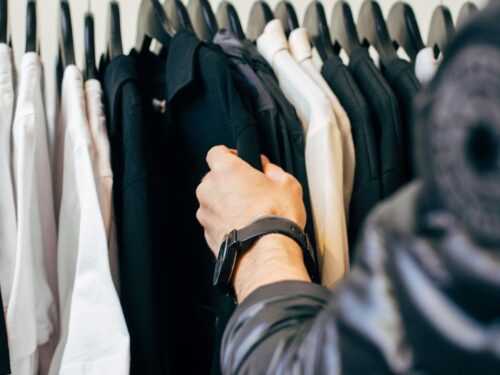
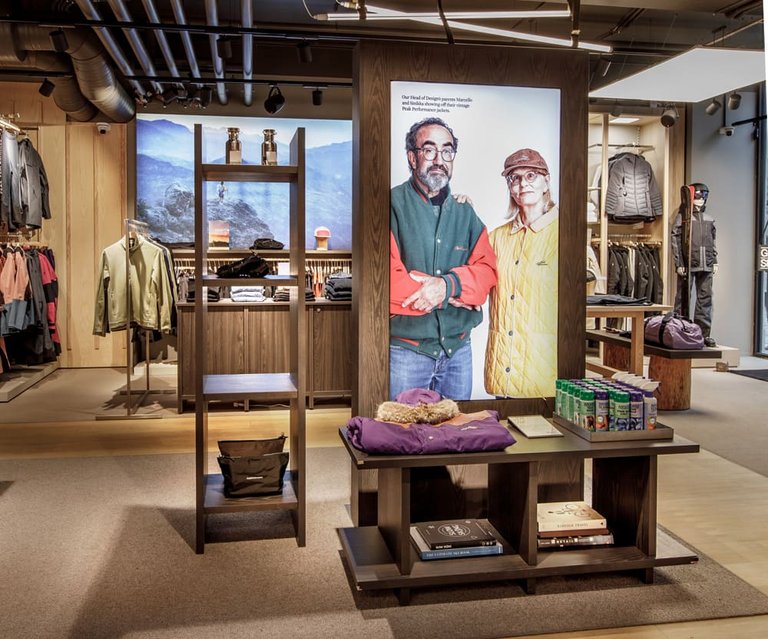
An important aspect of creating a profitable store design is carefully reviewing how products are displayed. Placement can strongly influence purchasing behavior. Products placed at eye level are more likely to be seen and purchased. In the checkout area, appealing products placed near the counter can lead to last-minute purchases while the customer waits to pay.
Color Psychology
The choice of colors in a store can directly influence customers’ emotions and decisions. Warm colors, such as red and yellow, can create a sense of excitement and encourage customers to act quickly. Cool colors like blue and green create a sense of calm and trust, which can make customers feel more comfortable and spend more time in the store. By creating color contrasts, you can directly guide customers’ attention toward specific products.
Visual Communication
Informative signage can help customers quickly find what they are looking for and inform them about ongoing promotions, which can increase sales. Good signage can also help communicate the brand identity and create a stronger connection with the customer.
The Influence of Lighting
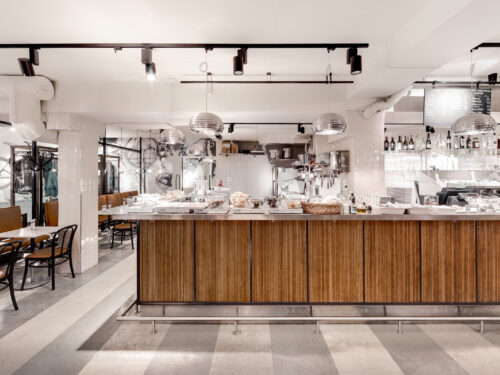
The right lighting highlights products in the best possible way and also affects the overall atmosphere of the store. Lighting can influence customers’ emotions and moods. Cool, white lighting can create a sense of energy and attract attention, which is ideal for highlighting specific products or areas. Warm lighting, on the other hand, can create a sense of calm and relaxation, encouraging customers to stay longer in the store.
Technology for a Dynamic Environment
The integration of technology into store design has revolutionized the customer experience and offers retailers the opportunity to create a more dynamic and interactive environment. Interactive displays and digital signage can be used to show product information, promotions, and recommendations in real time, helping customers make purchasing decisions. By using technological innovations, stores can increase customer satisfaction, boost sales, and strengthen their market position.
Psychological Factors
Psychological factors play a central role in how store design influences customer purchasing behavior. Visual and physical stimuli such as colors, lighting, music, and scents can strongly affect customers’ emotional and cognitive processes. Lighting sets the mood and highlights products, while the tempo of music can influence customers’ energy levels and purchasing pace. Scents can evoke memories and emotions, and when used correctly, create an inviting atmosphere. These stimuli influence not only how customers perceive the store, but also how they make purchasing decisions. This can lead to increased sales and stronger customer loyalty. To influence behavior patterns, it is important to understand what motivates people and use strategies such as discounts, rewards, and a layout designed to encourage purchases.
Successful Interior Design Strategies
There are several examples of brands that have successfully used smart interior design strategies to increase customer traffic and sales. A well-known furniture chain, for example, uses inspiring showrooms that demonstrate how their products can be adapted to different home environments. A department store focused on home accessories and small items has attracted a broad customer base through its playful and colorful store design, creating a personal and inspiring shopping experience. Some stores use music, scents, and lighting to create a pleasant atmosphere that encourages customers to stay longer, while others divide their space into sections to make it easy for customers to find what they are looking for and gain inspiration. These are different strategies that all demonstrate how a well-planned store design can enhance both the customer experience and sales, while also building a strong brand identity.
In summary, store interior design is a powerful factor that influences customer purchasing behavior. By carefully considering layout, lighting, colors, product placement, and material choices, store owners can create an environment that not only enhances the customer experience but also maximizes sales. Understanding how these elements interact and influence customer decisions is crucial to succeeding in retail.
How Do You Showcase Your Brand?
At Norco, we have extensive experience in designing retail interiors that present your products in the best possible way. We help you with a variety of solutions, from showing how to make optimal use of your store’s floor space to creating an inspiring and engaging customer experience. No matter the challenge you face, we help you create a clear and inviting environment with strong character. When customers feel at home in your store, the likelihood that they stay longer and purchase more increases. Learn more about projects we have completed here