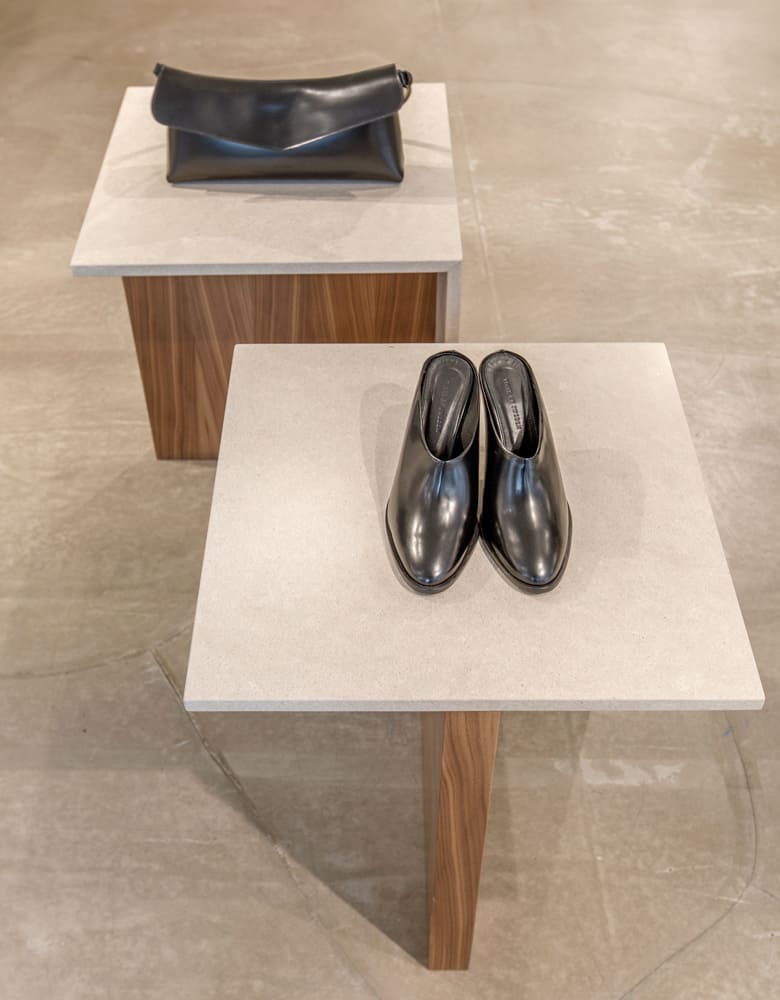
Tables in Retail Interiors – Create Functional and Aesthetic Surfaces
Choose the right tables for your store! Freestanding, with shelves, round or with drawers – we go through the advantages, disadvantages, and how they enhance your store design.
When creating an inviting and functional retail environment, the choice of tables is an important factor to consider. Tables are not only used to display products, but they also create space for customer interaction and can reinforce the store’s overall aesthetic. By choosing the right table types, you can optimise your store layout while strengthening your brand expression. In this article, we review different types of tables that can be used in retail interiors and the advantages and disadvantages they bring.
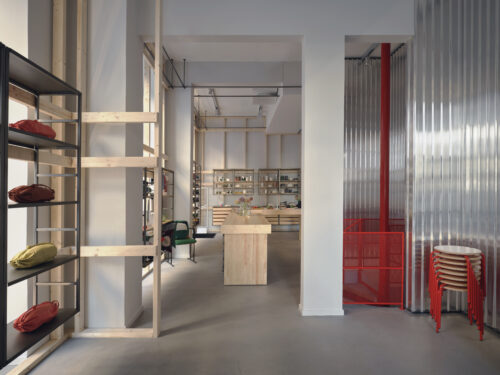
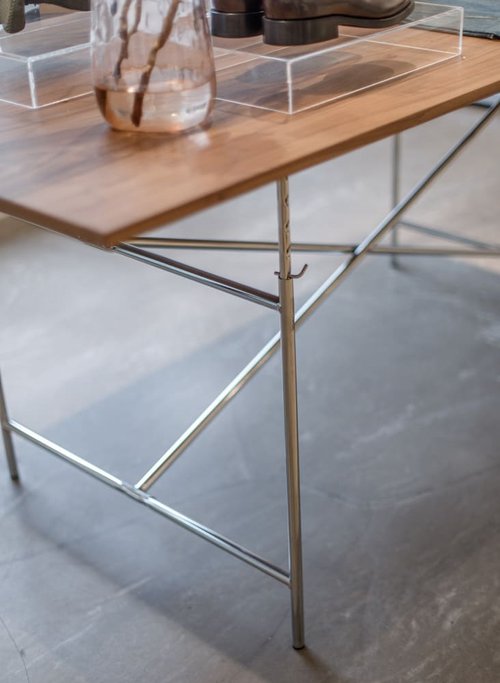
Freestanding tables
Suitable for stores that require flexible product displays, such as clothing stores, jewellery stores and home décor stores.
Advantages:
- Flexibility: Freestanding tables are suitable for both large and small stores and make it easy to change the layout when needed.
- Visibility: They work well for creating visual focal points in the store, allowing customers to easily gain an overview of specific products.
- Usability: Freestanding tables are perfect for displaying products that require extra space, such as jewellery, clothing, or small home décor items.
Disadvantages:
- Takes up floor space: Since the table is not wall-mounted, it may occupy more floor space, which can be a drawback in small stores with limited room.
- Stability: Some freestanding tables may be less stable if not properly designed or if constructed with less robust materials.
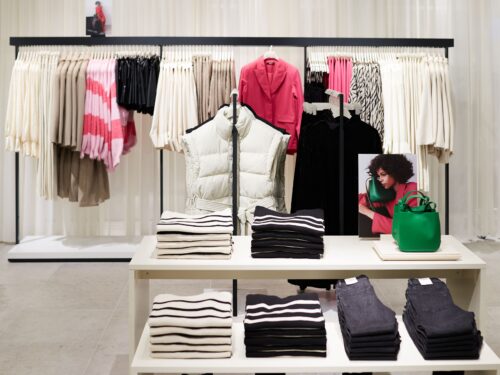
Tables with shelves
Suitable for stores selling smaller items that require both display and storage, such as electronics retailers and bookshops.
Advantages:
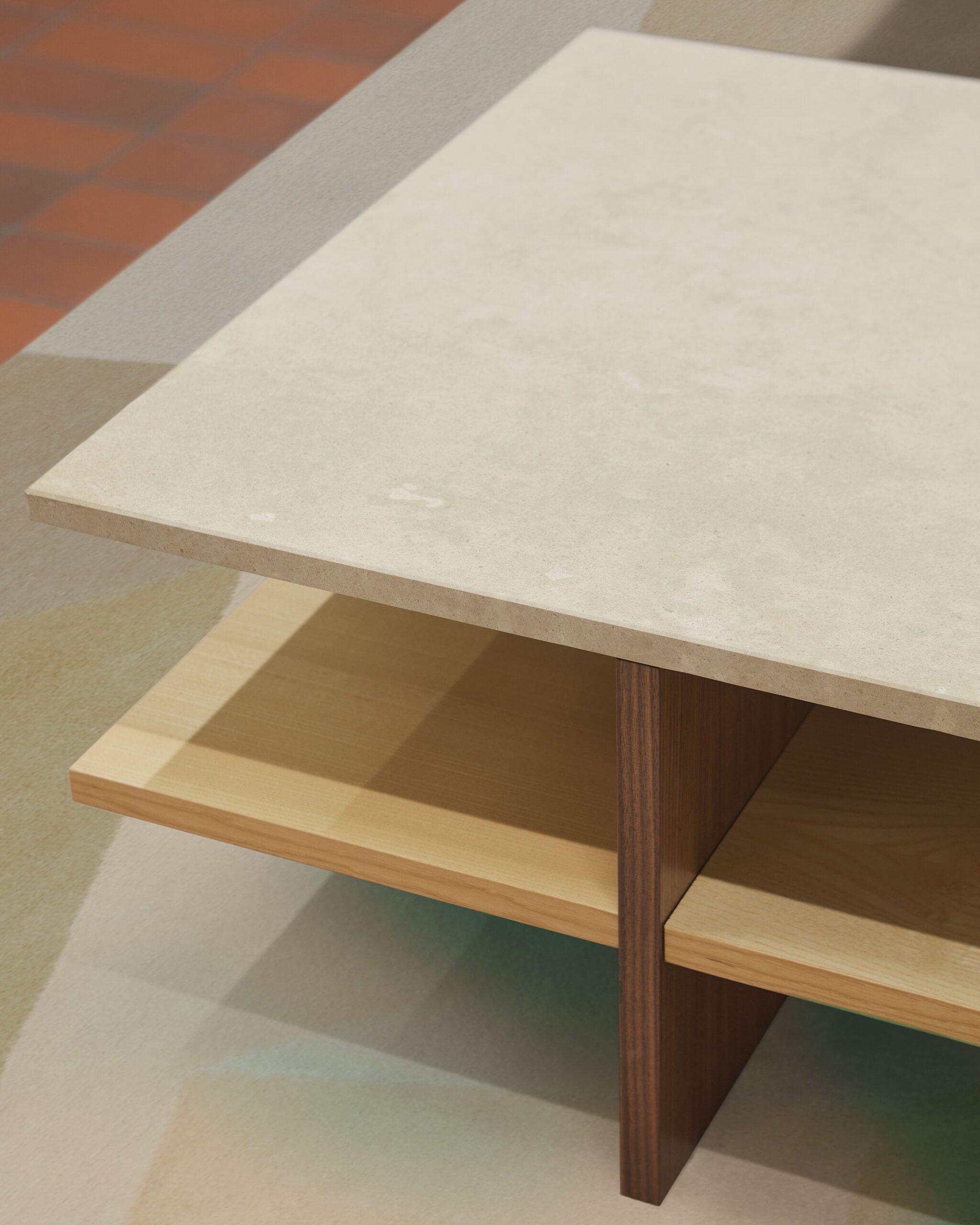
- Additional storage: Tables with shelves are ideal for stores that require extra storage space. They can hold products both on the tabletop and on the shelves beneath, making them practical for maximising sales space.
- Visual separation: Shelves make it possible to create visual separation between different product categories or price ranges. This helps guide customers through the store and makes it easier for them to find what they are looking for.
- Multifunctionality: These tables can be used both for product display and for storing additional stock or accessories, providing dual functionality.
Disadvantages:
- Limited accessibility: Products placed on the lower shelves may be harder to reach or interact with, which can reduce customer engagement.
- Overcrowding: Too many products on the shelves can make the table appear cluttered and reduce its visual appeal.
Round tables
Suitable for stores that focus on customer interaction and where space is limited, such as cafés, small boutiques or pop-up stores.
Advantages:
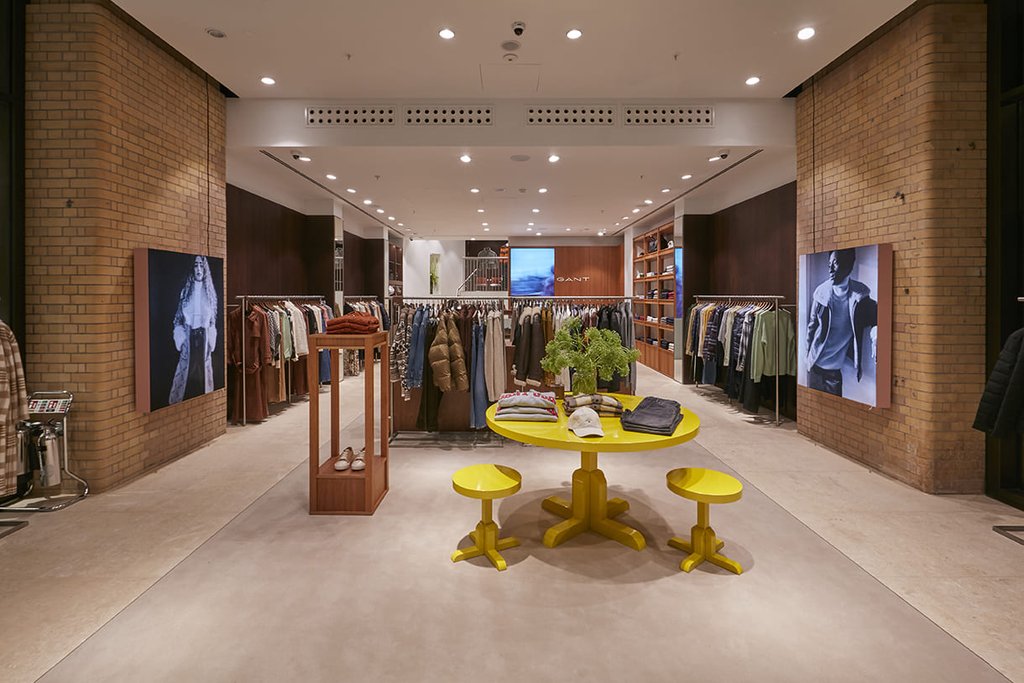
- Inviting and social: Round tables encourage social interaction and are often more inviting for customers to gather around, creating a relaxed and engaging retail environment.
- Versatility: These tables can be used both for product display and as gathering points for demonstrations, campaigns or sampling activities.
Disadvantages:
- Limited surface area: Compared to rectangular tables, round tables provide less display surface, making them less suitable for showcasing many products at once.
- Fewer storage options: Round tables often lack space for shelves or storage, which can be a disadvantage in stores that require significant stock capacity.
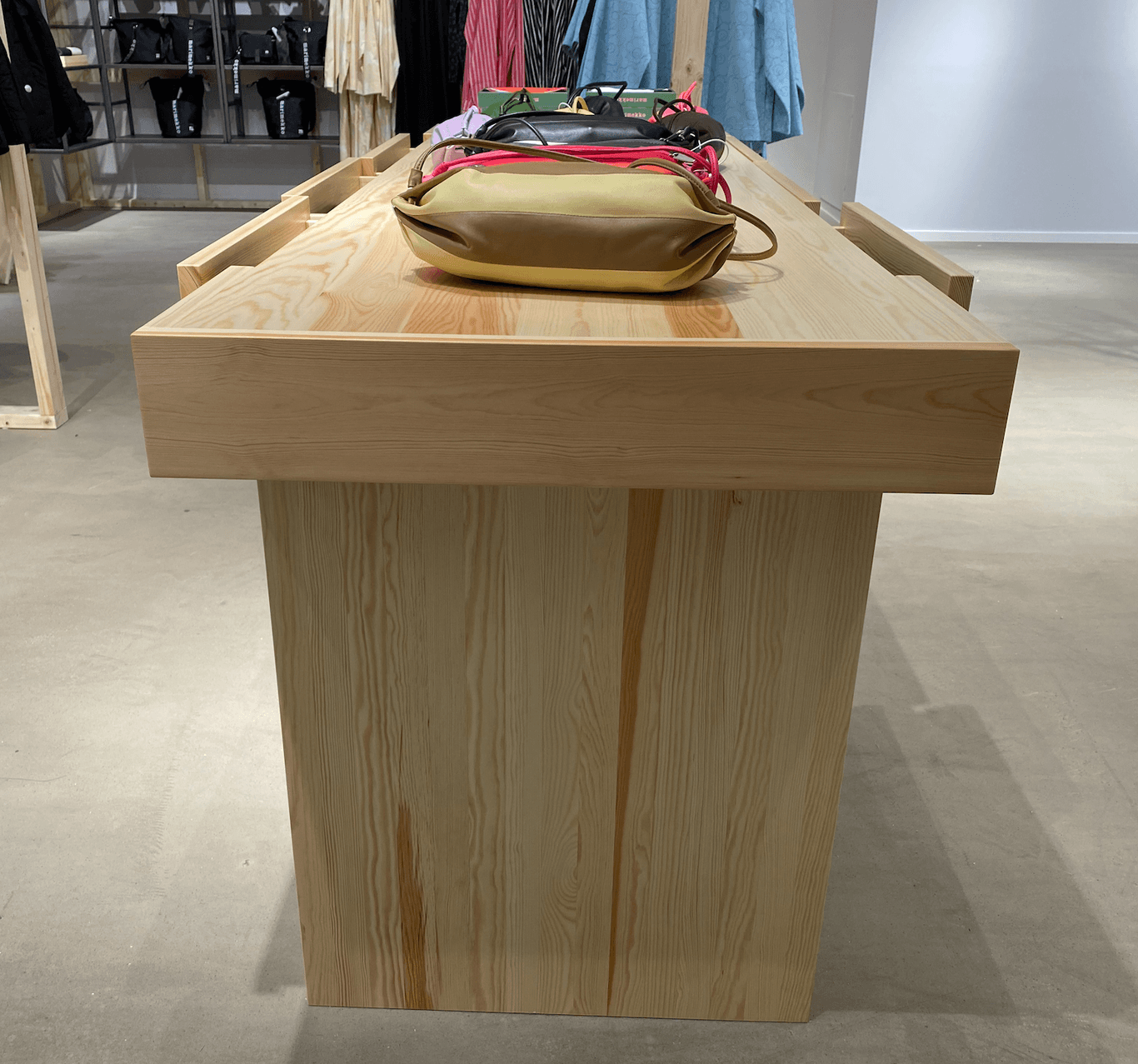
Tables with storage drawers
Suitable for stores that need to organise and store additional stock discreetly, such as shoe shops, accessory stores or concept stores that offer both products and services.
Advantages:
- Discreet storage: These tables feature built-in drawers that allow additional stock or non-priority items to be hidden, keeping the tabletop clean and organised.
- Increased functionality: For stores requiring extra storage without visible clutter, these tables offer a solution that combines display with practical storage.
- Custom design: Tables with drawers can be tailored to suit the store’s specific needs, making them both functional and aesthetically refined.
Disadvantages:
May feel heavy: Tables with drawers can appear heavy or bulky in a retail setting, which may affect the visual lightness of the space.