Successful store interior design: 3 tips that make a difference
In this article, we share three valuable tips that help create a functional store interior that is attractive to both customers and staff.
A well-planned store interior has a significant impact on both the customer experience and sales figures. Whether you are opening a new store or updating an existing one, it is important to consider everything from layout and flow to technical solutions and sustainable material choices.
There are many aspects to consider when designing a new store, from shelving to the checkout counter. In addition to being aesthetically appealing, the interior must also drive sales, be easy to rearrange, and make it simple to restock products. It should also be secure against theft. Good planning from the start is essential if you want to create a successful store interior and a thriving retail business.
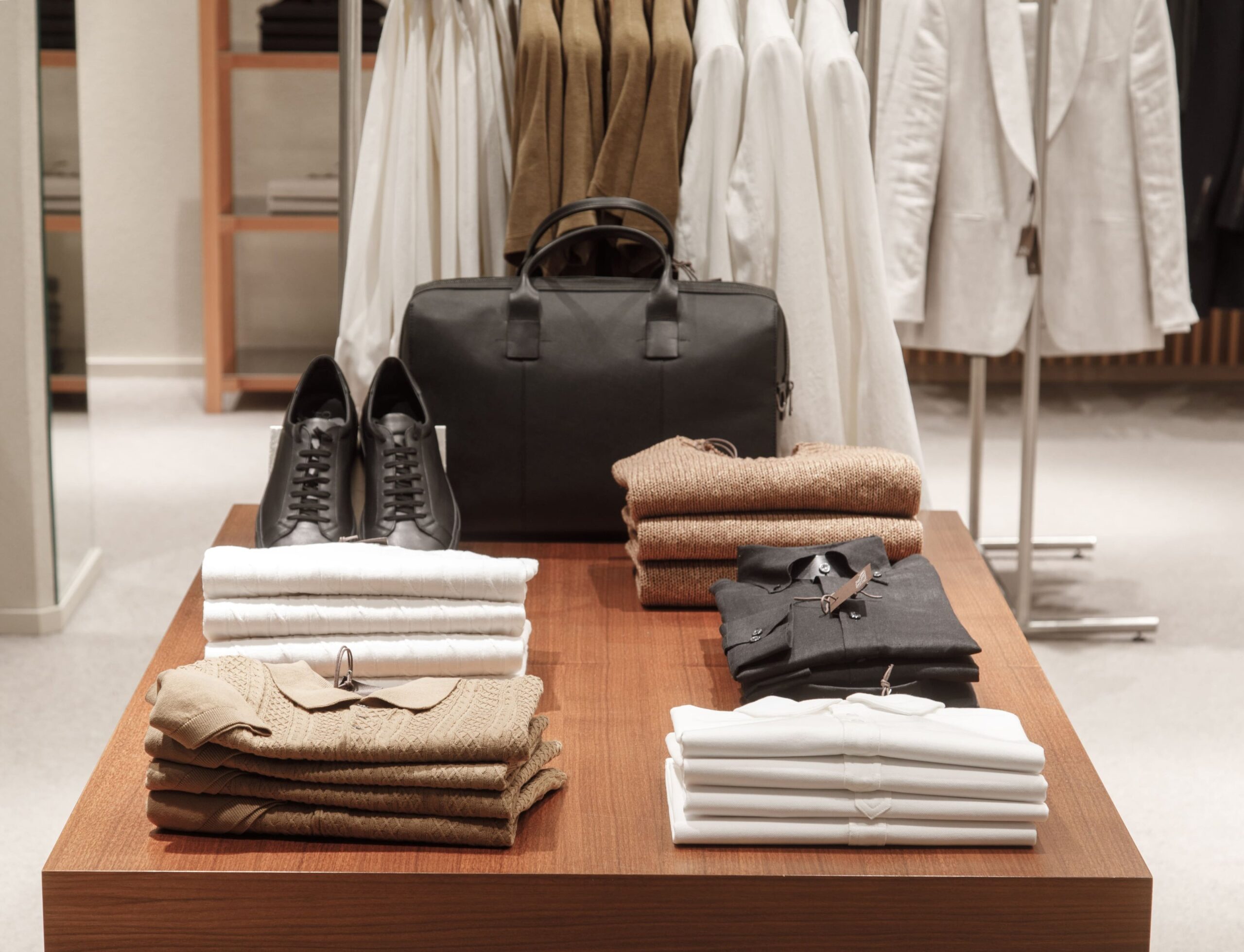
Tip 1: Plan Your Store Layout
Create a strategy! Draw up a plan for how you want your products to be displayed in the store.
It is helpful to consider questions such as:
Which products are our best sellers? Which products generate the highest profit? Which items encourage impulse purchases? Do customers follow a specific path through the store? Where are our most valuable wall and floor spaces for optimal product exposure?
Answering these questions provides a foundation for deciding which products deserve prominent placement and where they should be positioned. Then you can ensure you have the right fixtures, such as store shelves, display cabinets, or racks, to showcase the products effectively. Start by analyzing the entire store space!
Tip 2: Think Functionality and Flexibility
When choosing furniture and interior elements for your store, it is important that they are both aesthetically pleasing and functional. It should be easy for staff to work efficiently and to keep the store clean and organized. Practical solutions, such as modular systems, make it easy to adapt the store to different needs, such as seasonal changes or campaigns. If space is limited, use the walls to display products. Place floor displays strategically where customers tend to pause. By using available space wisely, you can highlight key products and guide customers through the store. Don’t forget to plan for sufficient storage space to keep everything organized.
Tip 3: Optimize the Customer Experience and Increase Sales
Once you have a clear idea of your products and their placement, it becomes easier to understand how customers move through the store. Easy navigation and logical section divisions help customers find what they are looking for more quickly. This improves their shopping experience and increases the likelihood of additional purchases. By presenting products attractively and placing them strategically, you can encourage impulse buying and boost sales. Make sure to utilize both wall and floor space effectively and avoid overcrowded areas. This creates a pleasant environment for your customers.
What Elements Are Needed in a Store Interior?
Store Shelving
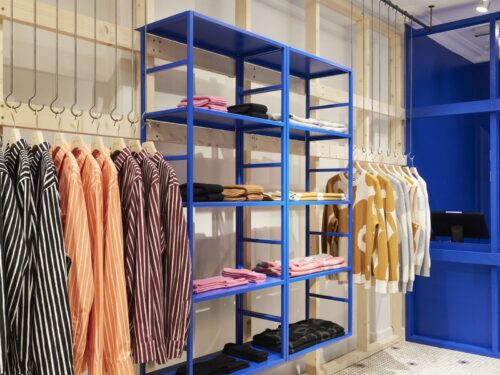
Store shelves are a central part of any retail interior and should be adapted to each store’s specific needs. Hangers and hooks can effectively maximize product exposure and make the most of available space, while vertical shelving is ideal for organizing and displaying merchandise. Glass cabinets provide security for valuable items, and traditional shelving systems contribute to an appealing product presentation.
Checkout Counter
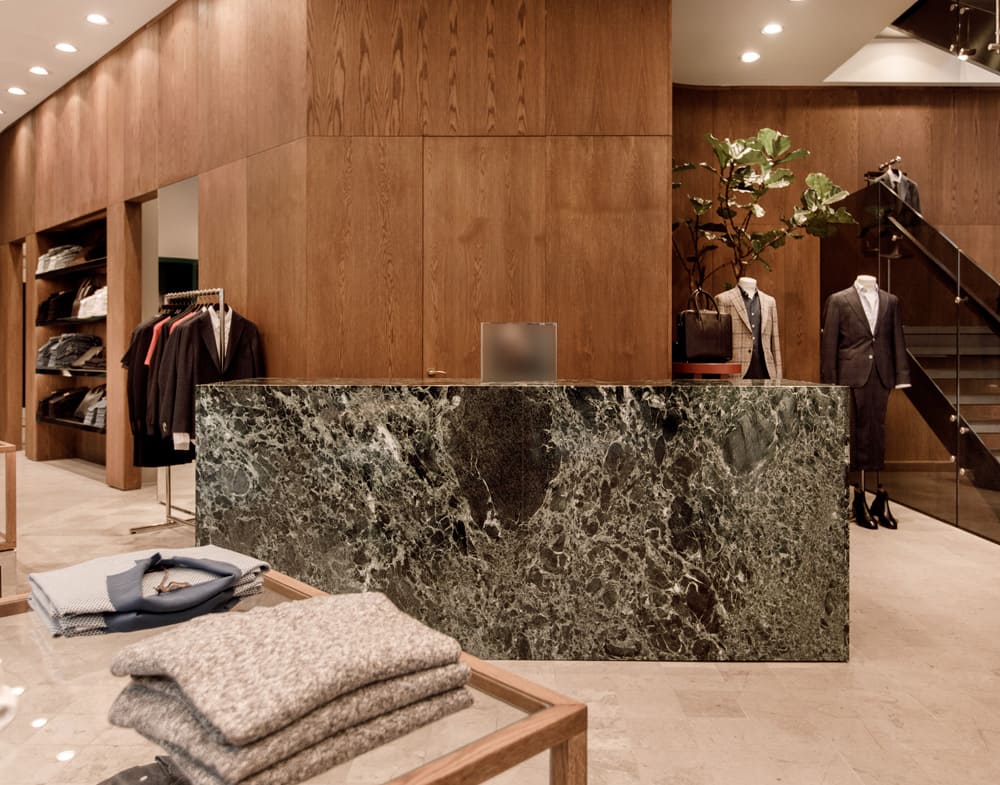
The checkout area is where the customer’s shopping experience concludes, making it essential that the counter is both functional and visually appealing. Efficient and user-friendly POS systems ensure smooth and fast transactions, leaving a positive impression. Have you noticed the tempting products placed near the checkout? This area is perfect for small, affordable items that customers buy on impulse.
Signage and Graphics
Informative signage is important for guiding customers, sharing information, and inspiring them during their visit. The storefront window is the first thing customers see and plays a crucial role in attracting visitors into the store. A well-designed window display can draw attention to special offers and new arrivals while reflecting the store’s brand and style.
Lighting
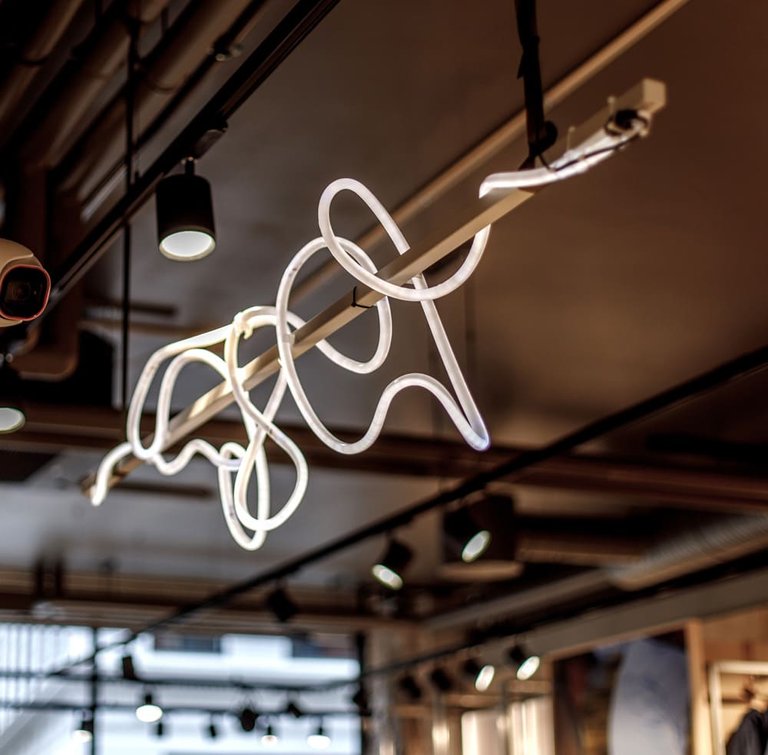
Lighting plays a key role in creating atmosphere, highlighting products, influencing customer behavior, and enhancing the shopping experience. The right lighting should harmonize with the store’s aesthetics and direct attention to key areas and products. Use warm lighting to create a relaxing and inviting atmosphere, or cooler lighting to highlight new arrivals and special offers. By carefully planning lighting, the store can create a dynamic and attractive environment that engages customers and encourages purchases.
Developing a new store interior is an exciting yet challenging task that requires careful planning and creativity. The art of store design goes beyond simply placing products on shelves; today, it is about creating a compelling story that attracts and guides customers through the space. The importance of skilled store design—like the storefront window—is crucial in enhancing the consumer experience and stimulating purchases. By focusing on customer experience, functionality, and sustainability, you can create a store interior that not only attracts more customers but also improves operational efficiency. Every element, from shelves and checkout counters to signage, graphics, and lighting, plays an important role in creating a cohesive and inspiring retail environment.
Do you need help developing store fixtures for your shop? Contact us, and we will help you create a store that not only attracts customers but also contributes to a sustainable and profitable business.