Retail interior 2.0: Innovative technology creates the store environments of the future
The retail interior of the future blurs the line between online and offline — it is no longer either/or.
The Retail Interior of the Future
Physical stores have fantastic opportunities to leverage digital technology to attract customers and create a unique shopping experience. The future of retail depends on continuously developing and adapting the customer experience to emerging technology trends. The focus will increasingly be on creating engaging, sustainable, and technologically integrated store environments that shape the shopping experiences of tomorrow. Let’s take a look at what we can expect from future technology trends in retail and store interiors.
Omnichannel Shopping
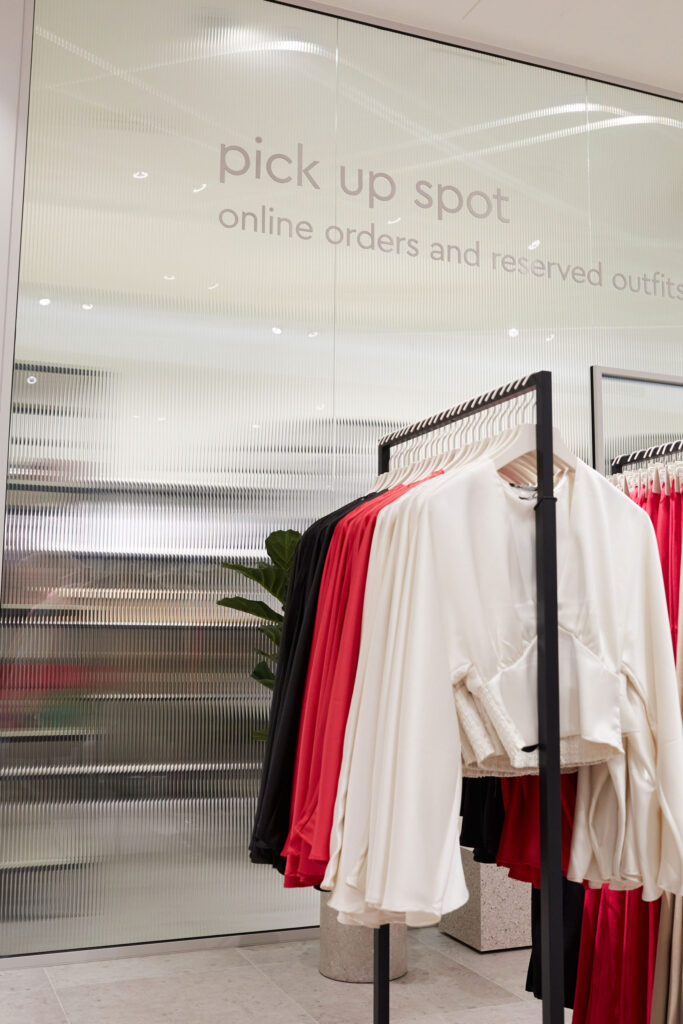
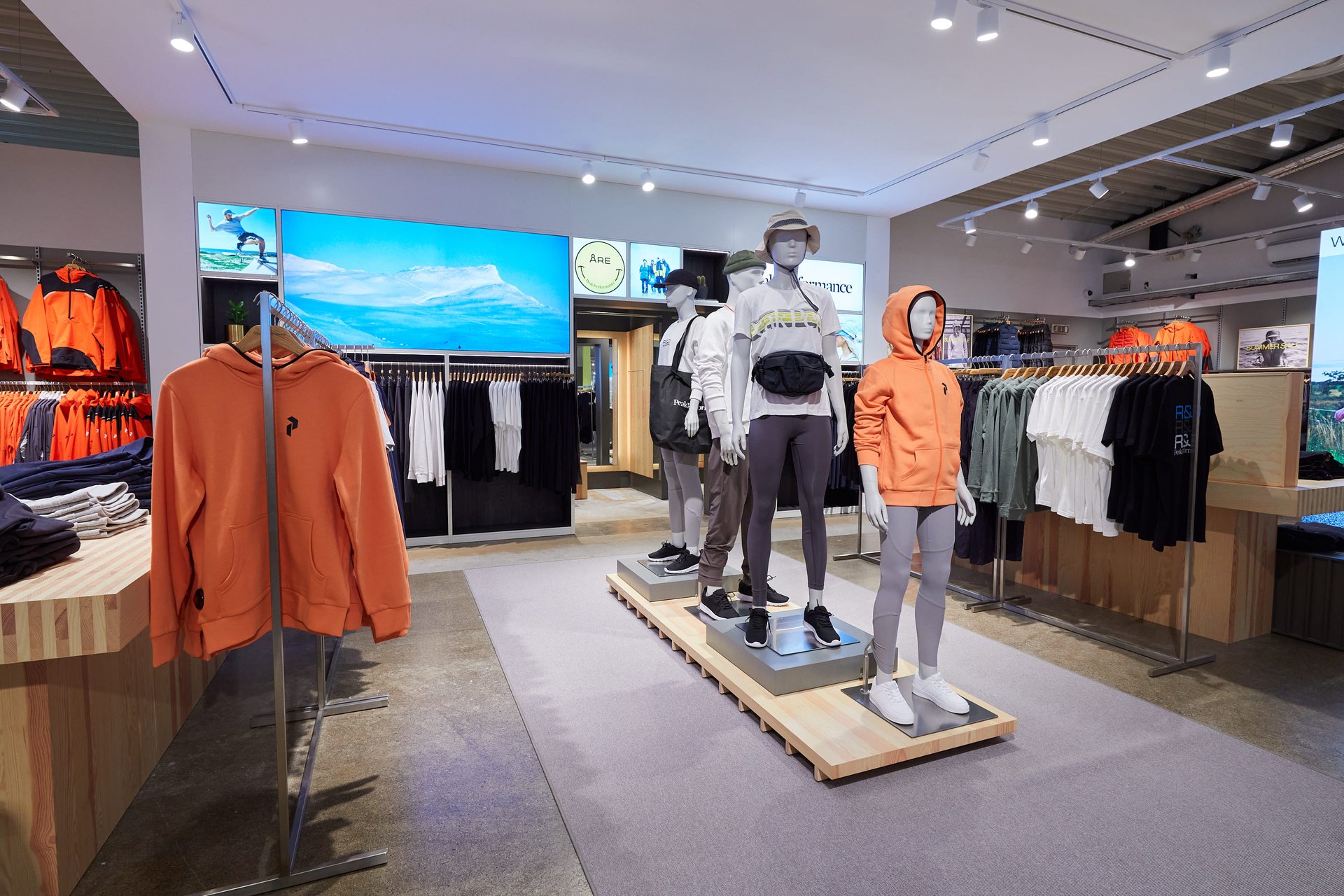
Omnichannel shopping means that customers shop across multiple platforms while still experiencing a cohesive and unified journey. For example, you can purchase something online and pick it up in-store, or try products in-store and later order them via an app. Regardless of where customers shop — in a physical store, online, through an app, or via social media — omnichannel shopping delivers the same high level of service and accessibility. Technology will continue to evolve to seamlessly connect all these channels into one integrated shopping experience.
AI and Machine Learning
AI is widely discussed today — not only in retail, but across all industries. It will play a major role, especially in analyzing purchasing habits and consumer behavior. AI will become an invaluable tool for everything from purchase planning and marketing campaigns to general product development. It will also analyze search history and buying behavior to provide customers with more accurate recommendations. By using machine learning and AI algorithms, brands can predict demand for products and optimize inventory management while reducing the risk of overstocking or product shortages. AI-powered chatbots will offer fast and efficient customer service around the clock, answering common questions and providing product recommendations. They can even assist customers directly during the purchasing process.
AR – Augmented Reality
Augmented Reality (AR) merges the physical world with digital elements such as text and graphics. Using cameras and sensors in devices like smartphones, tablets, or AR glasses, AR technology interprets the surrounding environment to enhance the customer experience. Interactive store interiors, virtual fitting rooms, and engaging campaigns are just some of its applications. For example, customers can point their phone at a room and visualize furniture within it — even if the furniture is not physically present. By scanning AR-enabled products or areas in-store, customers can access additional product information, reviews, or demonstrations.
VR – Virtual Reality
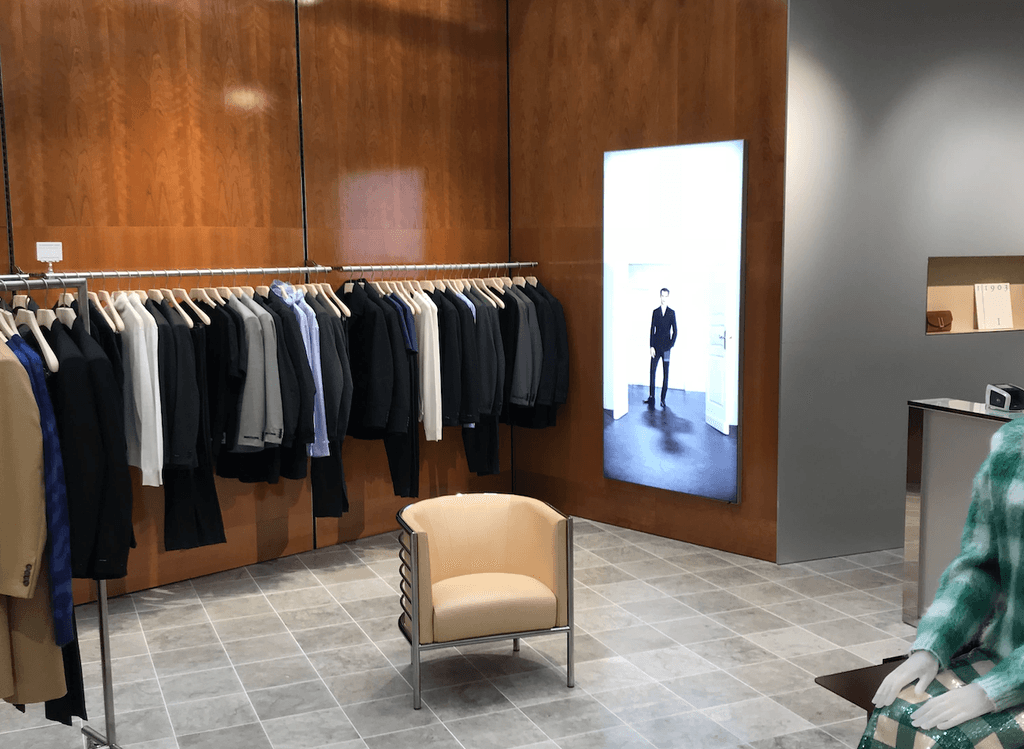
Virtual Reality (VR) recreates real-life situations in a digital world. By integrating VR into store environments, you open the door to an entirely new purchasing experience. VR technology allows customers not only to view products but to interact with them. Customers can try on clothing or jewelry in a virtual environment and get a sense of size, fit, and style before making a purchase. It’s like visiting a store and trying products — but on a digital platform. VR also enables virtual store tours or simulations of products and services, providing deeper brand engagement. When stores offer interactive and immersive experiences, they not only increase sales but also strengthen customer loyalty and enhance brand value.
Checkout and Payment Trends
The future of checkout and payment solutions focuses on seamless, secure, and fast alternatives. We will see increased use of mobile payments via smartphones or wearables, as well as contactless payments using NFC technology. These solutions enable quick transactions by simply tapping a card or device without entering a PIN. Biometric payments — such as fingerprint or facial recognition — are being integrated into payment systems, allowing secure and frictionless transactions without physical cards or passwords. Self-checkout systems are becoming increasingly common, giving customers greater control and saving time while creating a smoother shopping experience.
Robots as an Asset in Store Interiors
There is no doubt that AI and other technologies will revolutionize how we work. Robots can automate tasks such as inventory management, customer assistance, or in-store product delivery. This frees up staff time to focus on creating more personal and interactive customer experiences. Robots can even assist with merchandising or signage to highlight special offers — something that has previously been difficult to manage efficiently. Cleaning and maintenance can also be automated. By optimizing workflows with robotics, stores can streamline operations while contributing to a more attractive and comfortable environment for customers.
The Future of Retail Interiors – Interactive and Personal
In summary, technological advancements will continue to evolve store interiors and shopping experiences by creating more interactive and personalized environments. By embracing these innovations, stores can remain attractive and competitive in a rapidly changing world. The future lies in finding the perfect balance between technology and human interaction — and in blurring the boundaries between online and offline through digital opportunities.
Norco Interior can help plan your retail interior — from design, concept development, and layout to turnkey stores. Our passion is design, and we continuously develop store interiors in line with the latest trends. For Gina Tricot’s Concept Store, we designed their self-checkout stations — a checkout solution that aligns perfectly with today’s demand for fast and efficient purchasing experiences. See the project here.