
AI in retail interiors – The future of retail
Artificial Intelligence (AI) has the ability to transform the entire retail industry. From creating attractive retail interiors to streamlining the entire supply chain.
In this article, we explore how AI may reshape the retail industry. We also examine which of these changes will be decisive when it comes to leading factors in retail interiors and the future of retail.
The retail industry stands on the brink of a technological revolution with AI at the forefront. By leveraging the power of AI to enhance customer experiences and make data-driven decisions, the shopping experience can both evolve and become more efficient.
Store Layout
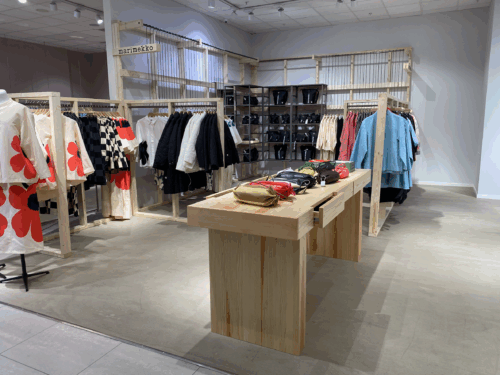
By observing how customers behave while shopping, retailers can design store interiors – from product displays to signage. These insights help optimize the store’s full potential in ways that actively drive purchases.
Inventory Management
One of the biggest challenges in retail is managing inventory efficiently. With AI, we can analyze past sales, seasonal patterns, and even weather data to predict how and when products will sell. These insights help ensure the right stock levels in-store – neither too little nor too much.
Customer Service
AI-based chatbots and virtual assistants can streamline customer service by answering common questions, providing product recommendations, and handling complaints or returns. By offering fast, personalized service around the clock, retailers can increase customer satisfaction and strengthen their brand.
Time Efficiency
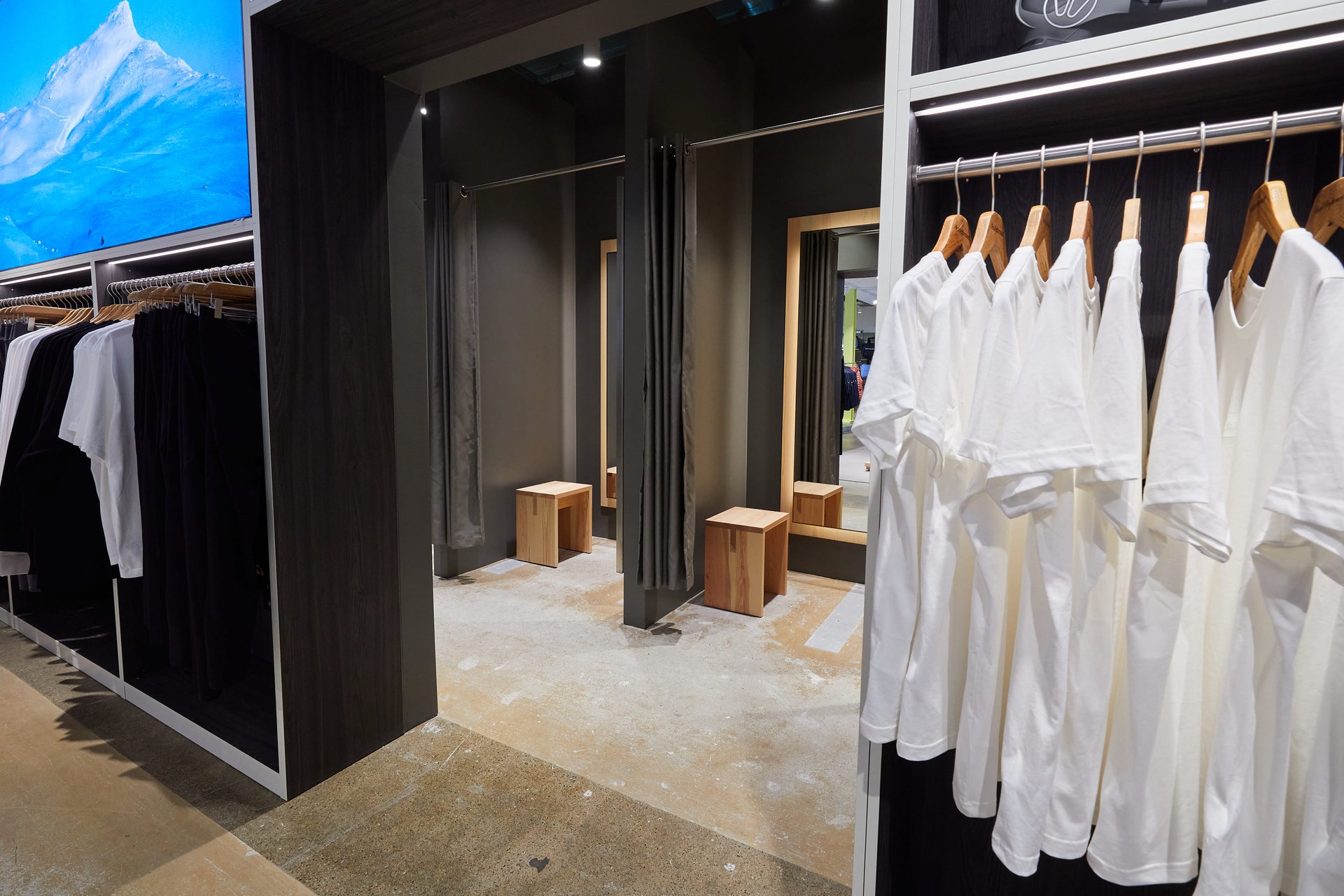
AI can make shopping more time-efficient, enjoyable, and smart. Imagine not having to try clothes on physically. In a virtual fitting room, you can see how garments fit without changing outfits. You can also receive personalized tips and recommendations directly from the virtual fitting experience.
Fraud Prevention
AI can be used to detect and, above all, prevent fraud. Algorithms analyze large volumes of data to identify patterns that indicate fraudulent activity. This not only protects the store but also strengthens customer trust.
Sustainability
In the long term, AI can also contribute to a more sustainable future. With AI-driven data insights, retailers can better predict production needs, reducing unnecessary overproduction and saving resources. AI can also optimize delivery planning, helping reduce emissions. Used strategically, AI allows retailers to save money while contributing to a healthier planet.
Marketing
By collecting and analyzing customer behavior, purchase history, and preferences, AI can create highly personalized marketing campaigns and offers tailored to individual customers. The likelihood of attracting and retaining customers increases significantly when relevant and compelling offers are delivered.
Sophisticated AI Platforms
Today, several innovative platforms collect and analyze customer behavior in retail environments. RetailNext uses advanced AI technology to track customer movements in stores and reveal purchasing patterns. Trax offers image-recognition solutions that monitor store interiors – including shelf placement, signage, and product displays – providing valuable insights into customer movement patterns. RELEX Solutions takes it a step further with a cloud-based platform powered by AI algorithms for inventory management and demand forecasting, enabling stores to adapt efficiently to customer needs.
Ethics and Privacy in AI
With the growing use of AI, it is essential to address ethical and privacy-related concerns. Issues such as data protection, customer privacy, and the use of personal information for marketing purposes must be handled responsibly. Transparency is crucial: how AI is used in retail interiors, what data is collected, and how it informs decision-making must be clearly communicated. Retailers are responsible for informing customers about AI usage and how their data is handled. With strong data protection policies and ethical guidelines in place, AI can be implemented in a responsible and respectful manner.
Automated Stores
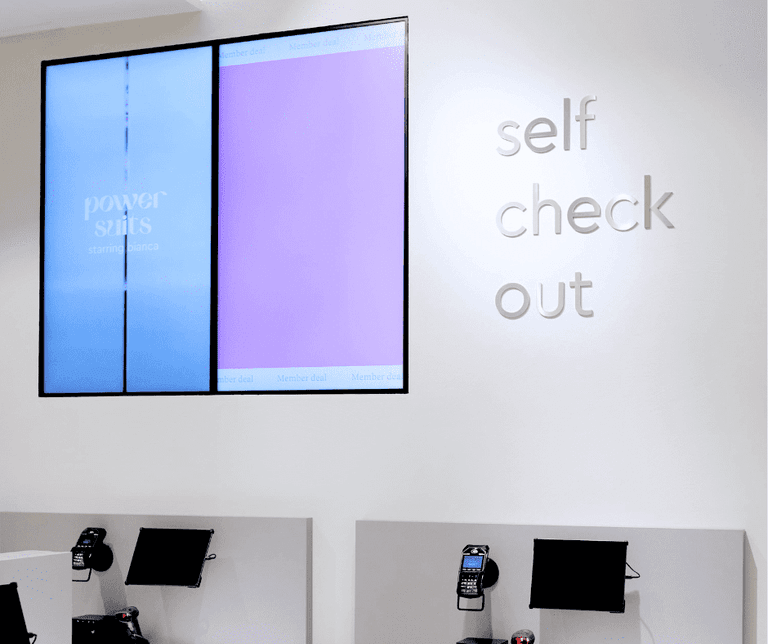
With the advancements and possibilities AI offers, we are seeing a growing trend in Asia of unmanned automated stores. 7-Eleven Japan is revolutionizing the country’s retail landscape by launching small, unmanned stores open 24/7. AI enables these stores to predict inventory needs, receive orders, and restock products without human assistance. Customers use an app to scan a QR code at the entrance. After selecting their items, they scan barcodes with their phone and complete payment via the app. The question remains whether we will see this trend in Sweden – or if personal customer interaction is still highly valued here.
In summary, AI can play a crucial role in enhancing the in-store customer experience in many ways. By delivering more personalized and relevant offers, streamlining customer service, optimizing inventory management, and improving layout and product placement, AI can increase customer satisfaction while reducing environmental impact and improving security. The technology has the power to transform traditional shopping and unlock countless new opportunities in retail interior design. Explore the full potential of AI to keep your store competitive in a rapidly evolving industry – there are no limits to what you can achieve!
Would you like to explore the possibilities of AI in your store while improving your retail interior? At Norco Interior, we specialize in planning and developing retail interiors – from design and concept development to turnkey stores. With our passion for design and commitment to staying ahead of trends, we can help you create a store that is not only modern and attractive, but also optimized to deliver a maximized customer experience.