Attractive store interiors strengthen the brand and increase sales
In this article, we take a closer look at how we can actually influence customers to make a purchase through a well-planned and appealing store interior.
When you step into a store or a public space, your brain registers the environment and forms an impression within just a few seconds. Is it welcoming and inspiring? Are the products attractively displayed? Does the store interior feel appealing? Does the environment align with the image you have of the brand?
Ingredients for a Profitable Store Interior
When we at Norco Interior develop a new store concept or review an existing interior, we make sure to understand the entire process. Our team includes product and industrial designers, architects, and retail designers who focus on:
- Concept
- Layout and customer flow
- Product display
- Color
- Lighting
- Materials/textiles
Concept
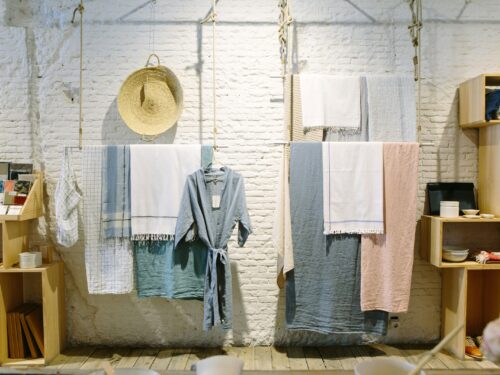
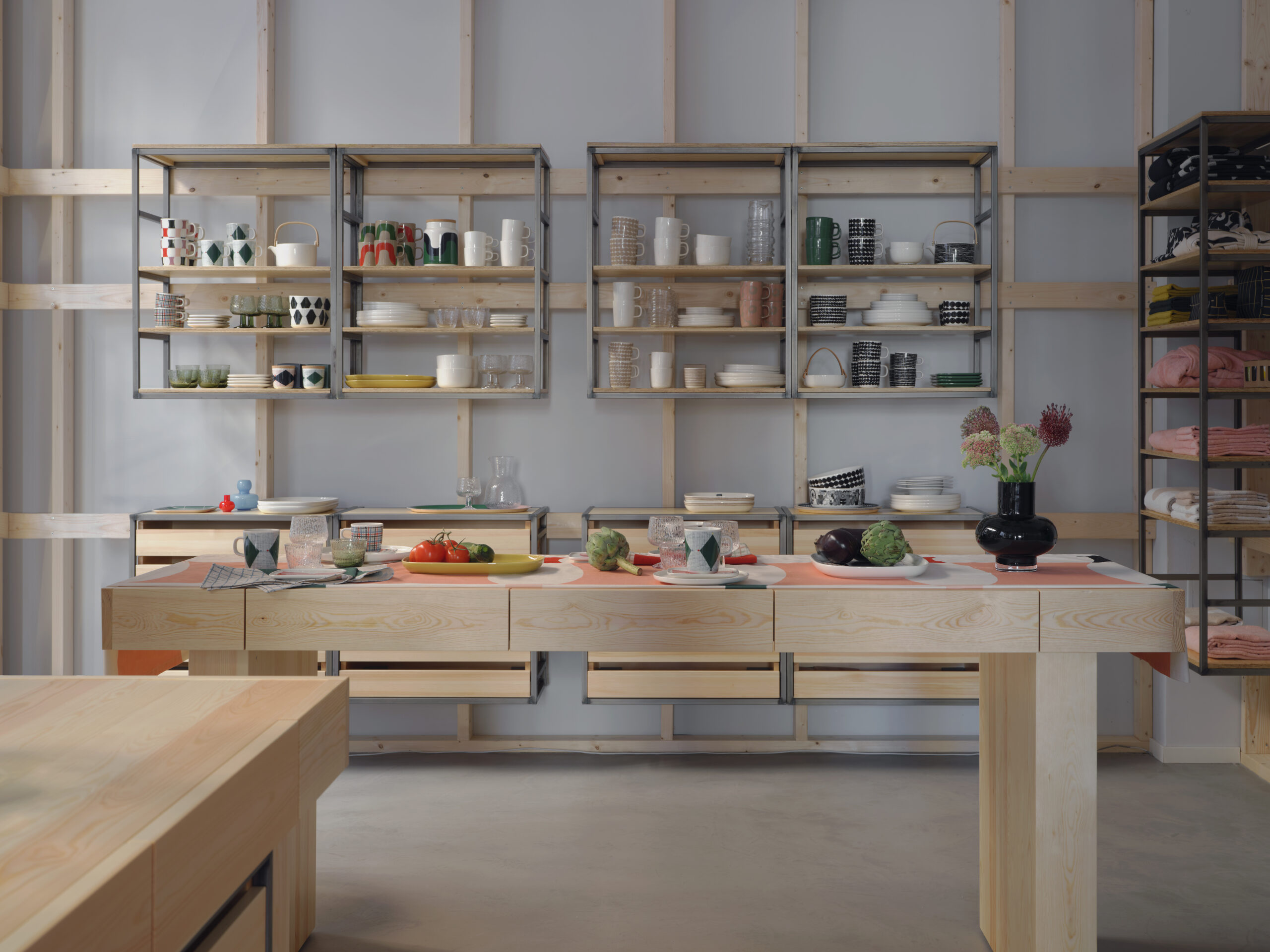
Concept design is about following a specific theme and reinforcing it through furniture, details, colors, and textiles. The interior should reflect what the brand stands for, as well as the message it wants to communicate to its customers. Every detail, from signage to furnishings, should follow the chosen theme. This could be retro or vintage, nature-inspired or minimalist. Sometimes the theme is based on a specific country or culture. If your brand represents high quality and focuses on sustainability, using sustainable materials—such as recycled wood and vintage or second-hand interior details—strengthens your sustainability concept. Concept design works for many types of indoor environments, such as restaurants, stores, hotels, and offices. In our project for Marimekko, for example, we highlighted their creative philosophy and reflected the brand’s bold patterns and design in the store’s new layout.
Layout and Customer Flow
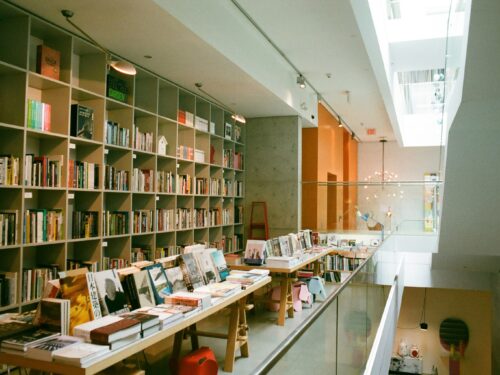
Just as advertisers prefer a right-hand page in a magazine, there are strategic design placements when shaping a store or restaurant space. Concepts such as customer flow, focal points, sightlines, and visual landmarks all aim to guide customer attention and increase the likelihood of purchase. When working with store layouts, we analyze customer movement patterns and how we can influence customer reactions. We want customers to move throughout the entire space, not just remain in the front area. By showcasing and filling the walls at the back, we can guide customers further into the store.
Product Display
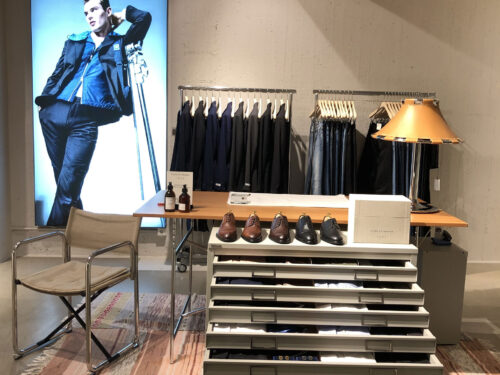
Placing products in a visually appealing and accessible way increases the likelihood of purchase. Moving a product from a shelf to an end cap can increase sales by several hundred percent, highlighting the importance of effective product display. It’s all about presenting the product as attractively as possible. Placing products at eye level is another proven technique that can significantly influence sales. A key element in creating a profitable store interior is reviewing product presentation. Are products displayed standing on shelves, hanging on racks, on custom fixtures, or on end displays? Are entire walls dedicated to showcasing products? Regardless of the method, the goal is to identify “hot spots” where customers naturally pause.